
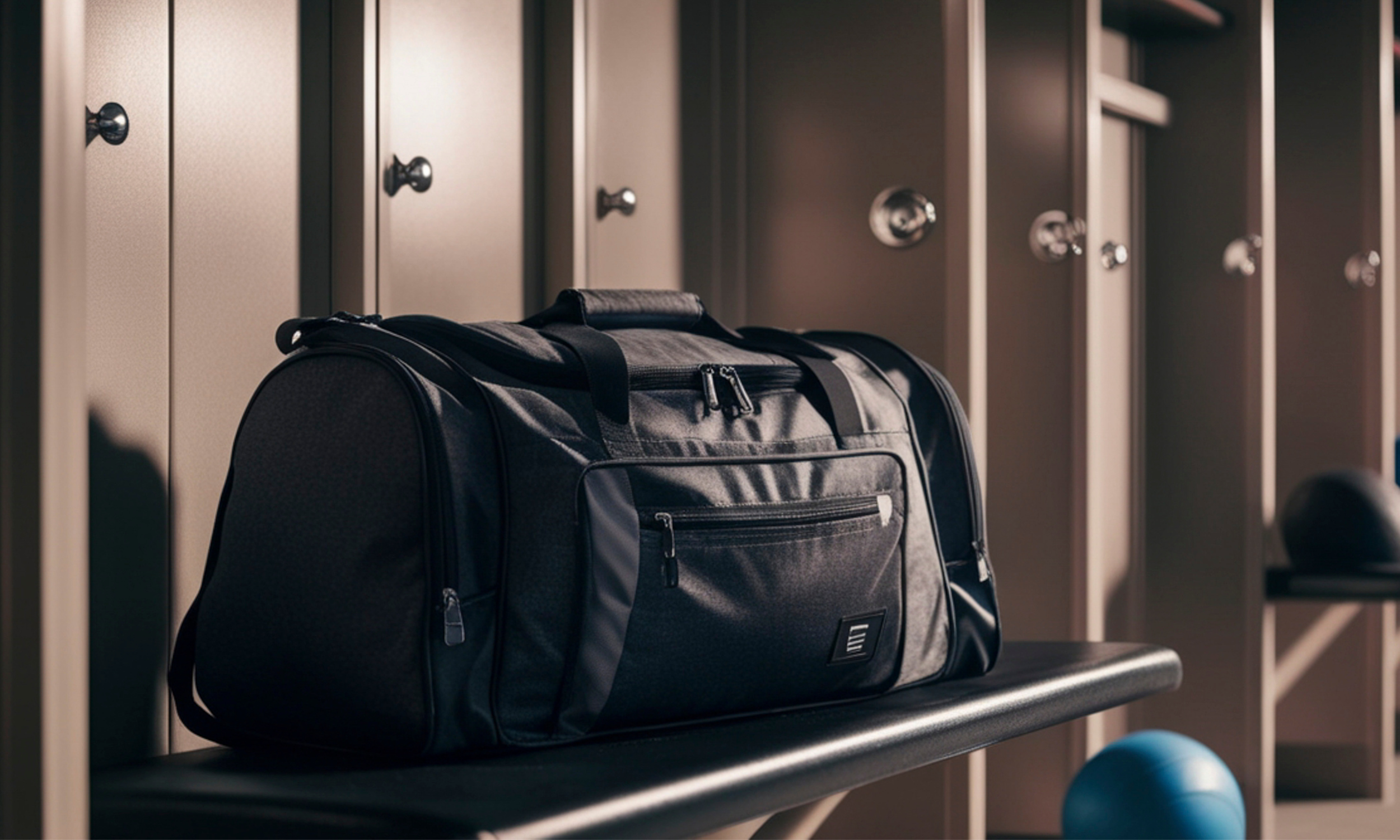
Gym Bag Essentials for Strength Training - What’s Actually Worth Carrying
For most people, strength training works best when the setup is simple: show up, warm up, train hard, track progress, and recover well.
At Type 3 Strength, whether you are working a personal client located here in Houston, an online training client, or an avid strength training member, the goal is the same: use tools that support better training, not tools that replace good technique.
In this blog, we listed the top gym bag essentials to help you reach your strongest self.
Disclosure: While I fully endorse using these products, the links provided are paid affiliate links. As an Amazon Associate I earn from qualifying purchases.
For most people, strength training works best when the setup is simple: show up, warm up, train hard, track progress, and recover for the next session. With the right tools in your gym bag, you can do that pretty well and be prepared for any session. In contrast, as your training career increases, the last thing you want is to find yourself not having the tools needed to reach your strongest self!
At Type 3 Strength, whether we are working with personal training clients exclusively at Redline Barbell, online training clients, or general strength training members, the goal is the same: learn which tools will support your training, and know what they are needed for.
And with that, here are the gym bag essentials for any serious lifter.
1. A Good Gym Bag
This sounds obvious, but your gym bag matters more than people think.
You do not need anything fancy. You need something that can hold your training gear, water bottle, shoes, straps, wraps, belt, and small recovery tools without turning into a black hole.
A good gym bag should have:
Enough room for lifting gear
Separate compartments if possible
Durable zippers
Space for a water bottle
Easy access to the small stuff
For strength training, consistency matters. Having your basic gear packed and ready removes one more excuse.
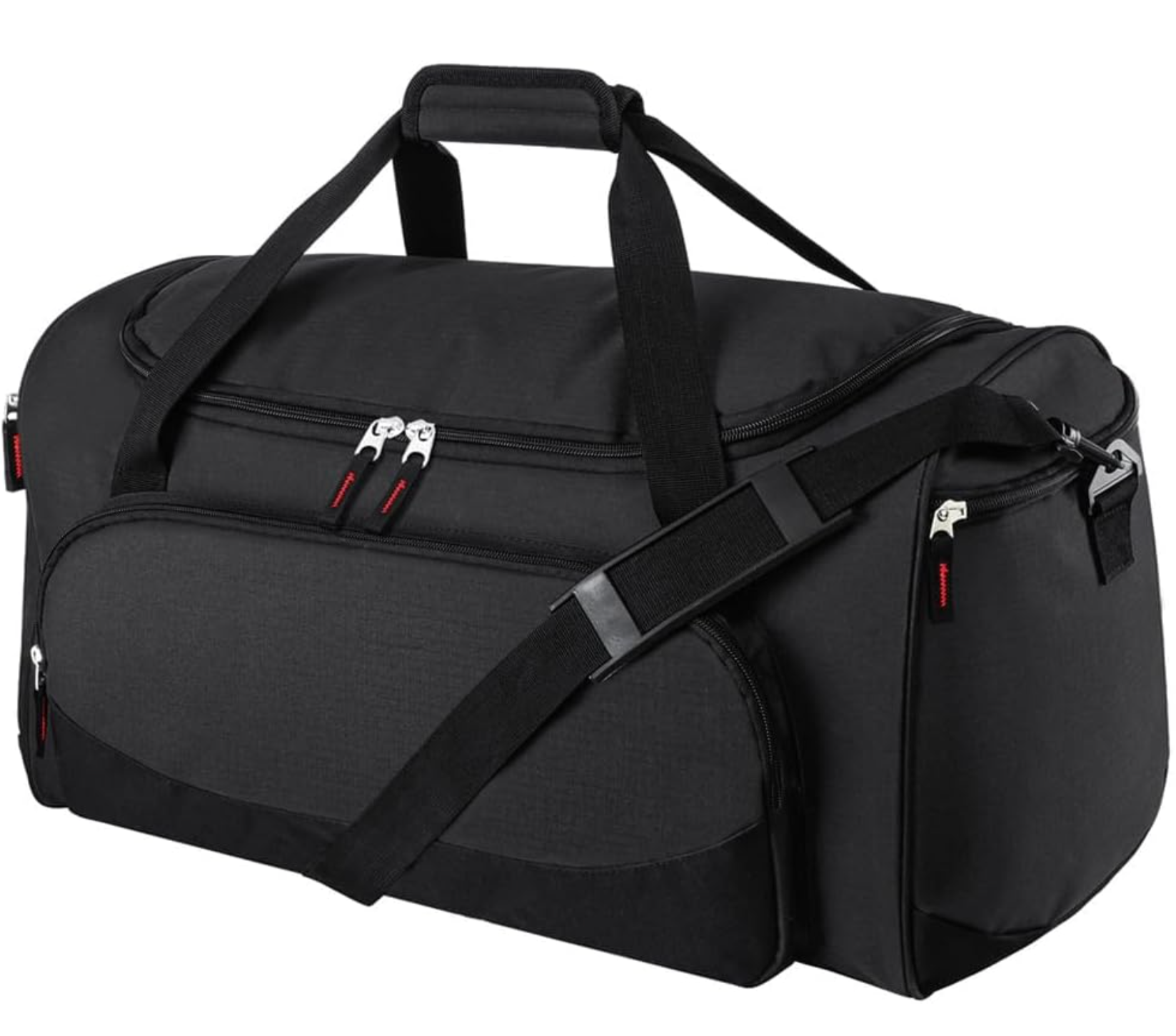
This gym bag is a great fit for anyone that needs to be ready for anything standing between them and their workout:
Best for: anyone training before work, after work, or going between home, the gym, and personal training sessions.
2. Weightlifting Belt
While not necessary for everyone and for every lift, a good weight belt can help transmit higher forces and thus make stronger gains in your workouts.
There are 2 primary reasons a belt can be effecitve:
1) With air held in, a belt can increase intra-abdominal pressure
2) The pressure of the belt can create a feedback loop to continuously brace through a lift. This feedback is known as proprioception.
Through these two mechanisms, a weight belt can be most beneficial during heavier compound lifts, such as squats, deadlifts, and heavy press’ , where trunk stiffness matters.
While the belt can enhance your bracing, it is not necessary to use it throughout your entire workout, but mainly for when maximal force production is required. Further, a belt-less exercise can be done as its own self-limiting variation (Back Squat vs. Belt-less Back Squat)
Good use: heavy compound lifts
Limited use: easy warm-up sets, single-joint lifts, and isolated exercises
For most lifters, a belt becomes useful once the weights are heavy enough that bracing quality becomes a limiting factor.
There are various options for weight belts, such as width, thickness, and connections, all of which can be effective and individualized based on preference. However, one specific belt I would generally avoid is a velcro attached belt, as they are too elastic under pressure and often give out when you least want them to!
For starting out, I would recommend a belt with medium width (~4 inches), not too thick (~6-10mm), and contains a buckle for different sizing.
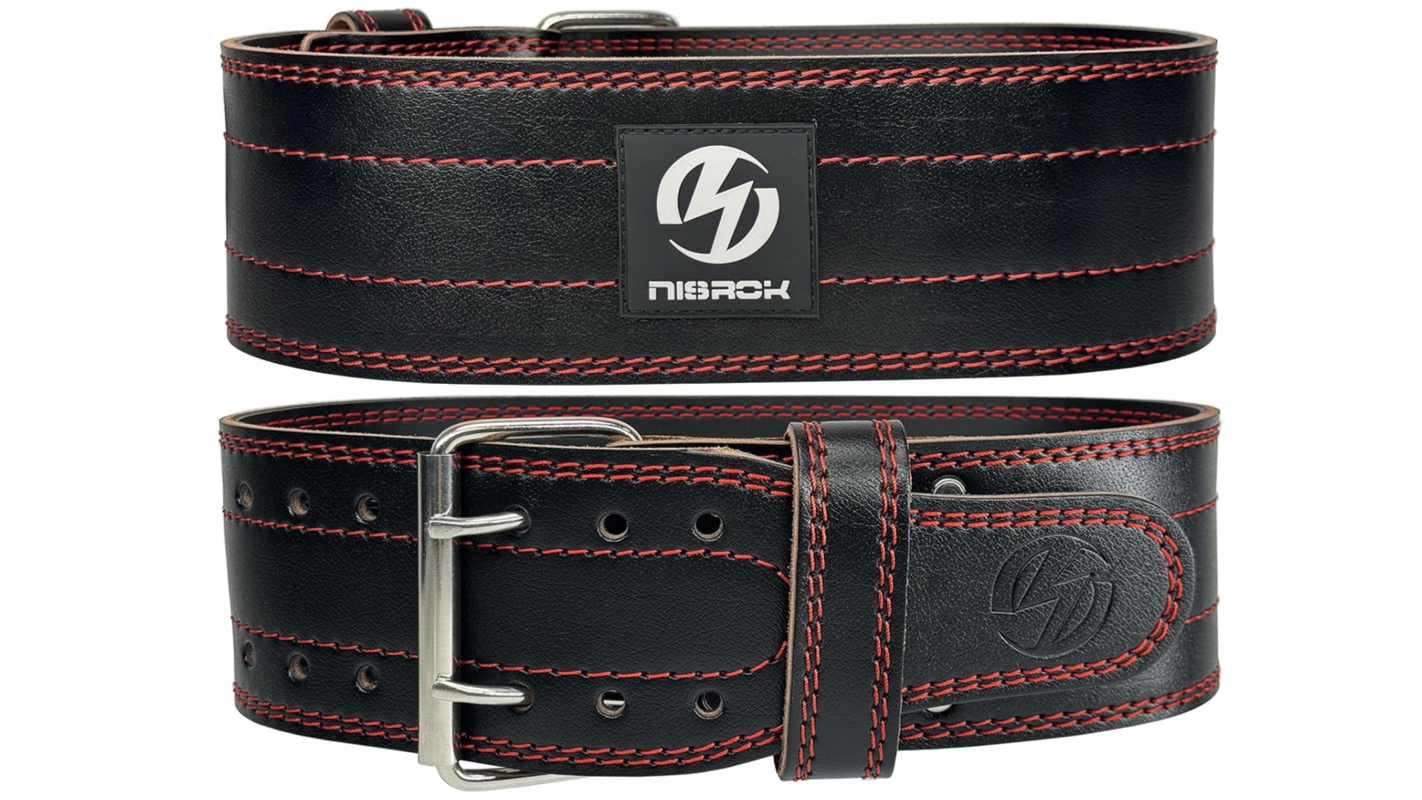
This belt has a standard width and thickness for general strength training. Also, is features a dual prong setup for easy and reliable use.
Best for: Compound and max effort lifts during your training.
3. Wrist Wraps
Wrist wraps are useful for pressing movements.
Your wrist is composed of 8 different bones, allowing mobility in various planes. However, when performing press’, we want to emphasize stable wrists and compact joints. In this manner, wrist wraps help provide support and keep the wrist in a stronger position.
Note that they do not fix poor bar placement or bad pressing mechanics, but can reduce unnecessary wrist extension and movement under load. Usually, you will feel the force vector directly translate into the Triceps during your press’ while wearing wrist wraps.
While they are high up the list, I would view wrist wraps as support gear, not required gear.
Best for: bench press, overhead press, heavy dumbbell pressing
Use them when the load or wrist position justifies it.
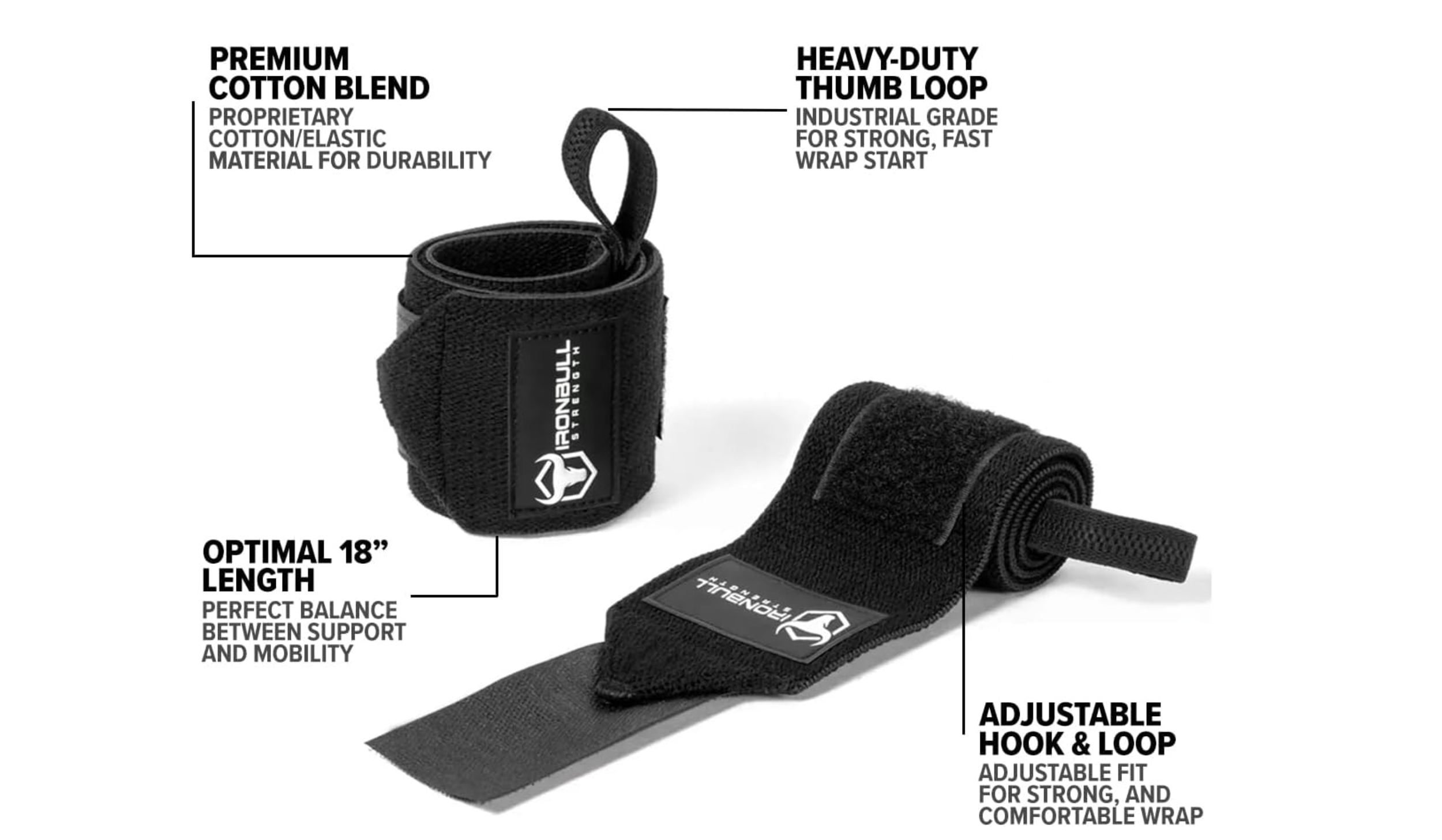
Wrist wraps such as these will enforce stability in the wrists while performing pressing movements. While longer wraps can increase stiffness, this pair works great for its value.
Best for: Stability in the wrists during pressing movements.
4. Weightlifting Straps
As opposed to wraps, straps help in pulling movements, where there is traction on the wrists and grip is more at play.
Often viewed as cheating your grip, it should be noted that in fact wrist straps help bypass grip limitations for larger muscles to perform maximally. In exchange, as more weight is lifted, grip strength will naturally increase despite using straps. Furthermore, warmups can be performed without straps to ensure grip training is fully utilized.
In other words, if the goal of the exercise is to train your back, hamstrings, or posterior chain, grip should not be the limiting factor. However, there are scenarios in which grip does matter, such as farmer carries or other strongman exercises. But, aside from these cases, straps should be viewed as a solid gym accessory to bring.
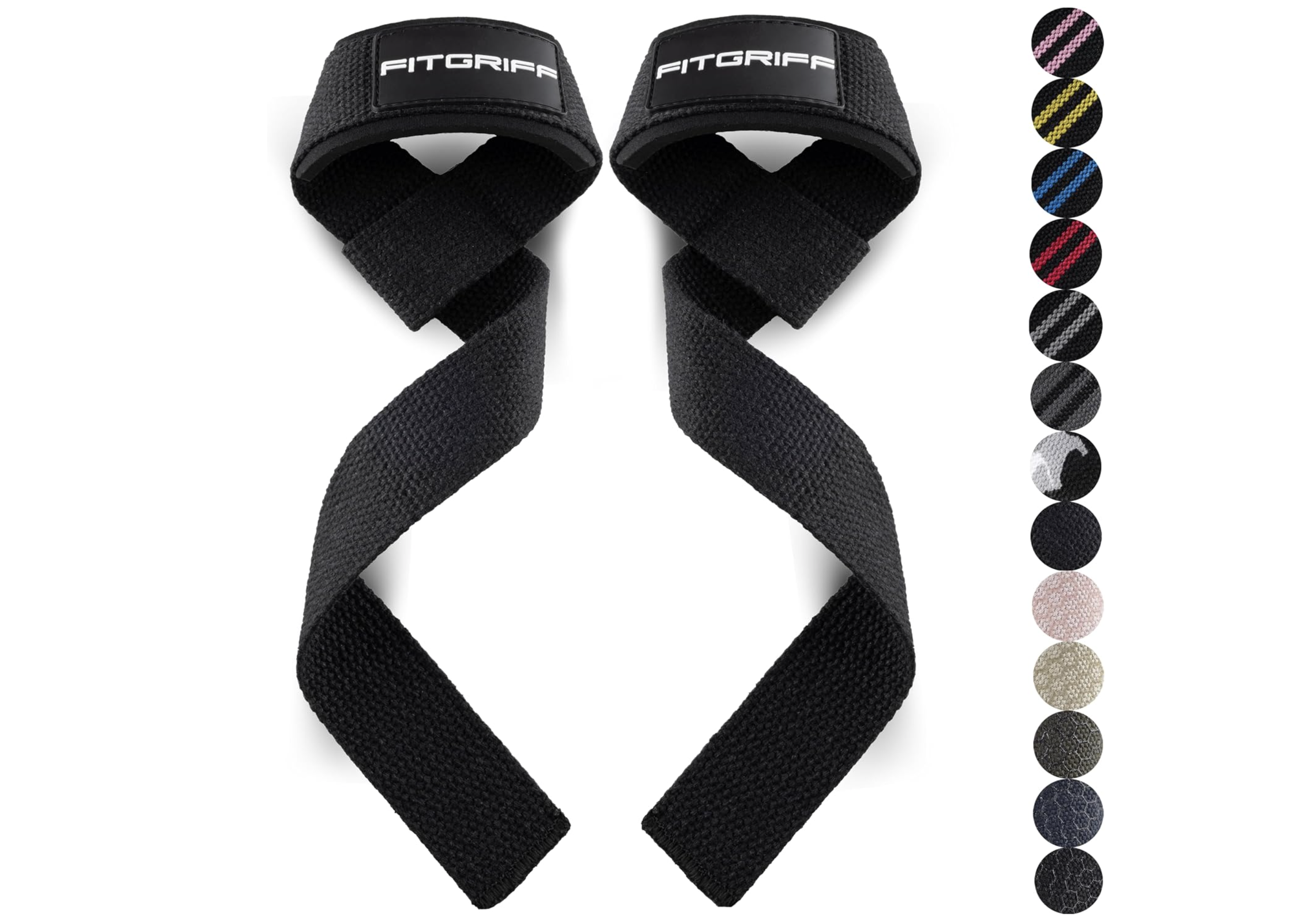
Weightlifting straps are very affordable and can help you produce high quality workouts for your back muscles.
Best for: Heavy compound pulling exercises that can save your grip strength while still training hard.
5. Liquid Chalk
While straps should be the predominant usage for your back training, there are instances when grip on the bar matters. This is when chalk can be very effective, as it dries the hand of any sweat and improves friction between your hand and the bar. Because of this, it can be helpful not only for pulling movements, but also for olympic weightlifting exercises and pressing movements.
However, chalk itself can become very messy in the gym. Therefore, I would recommend using liquid chalk, as it is much cleaner and as effective.
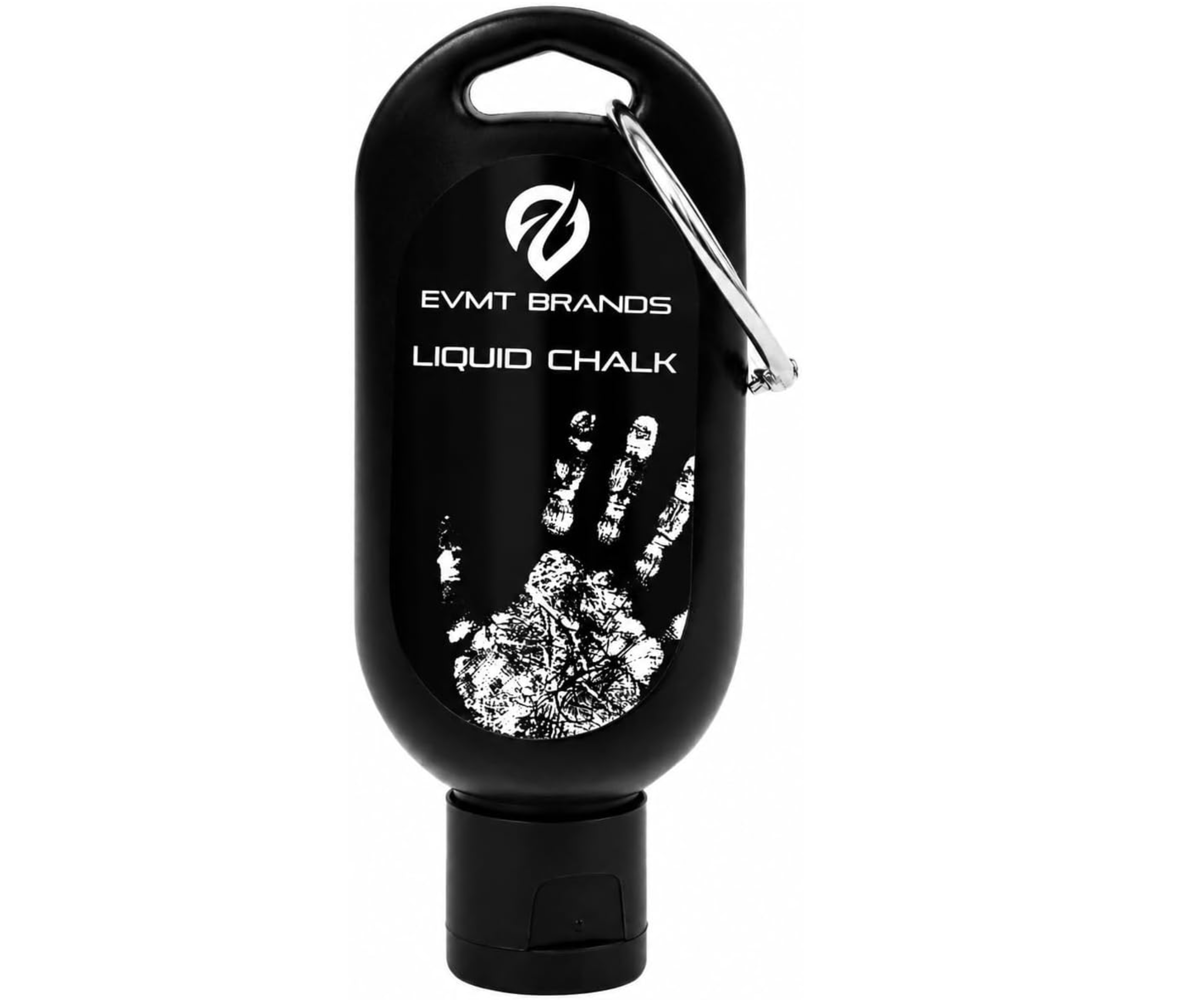
Here is a solid choice that is easy to place in your gym bag without a mess to contend with!
Best for: Heavy compound exercises that require you to feel connected to the bar and eliminating hand sweat.
6. Knee Sleeves
Knee sleeves provide warmth, compression, and a little proprioceptive feedback around the knee.
They do not “fix” knee pain. They also do not replace proper loading, strength work, or good programming.
But for squats, lunges, split squats, step-ups, and lower-body training, knee sleeves can make the knees feel more prepared and supported, especially during higher knee flexion.
Just be sure to let them breath after a hard leg workout!
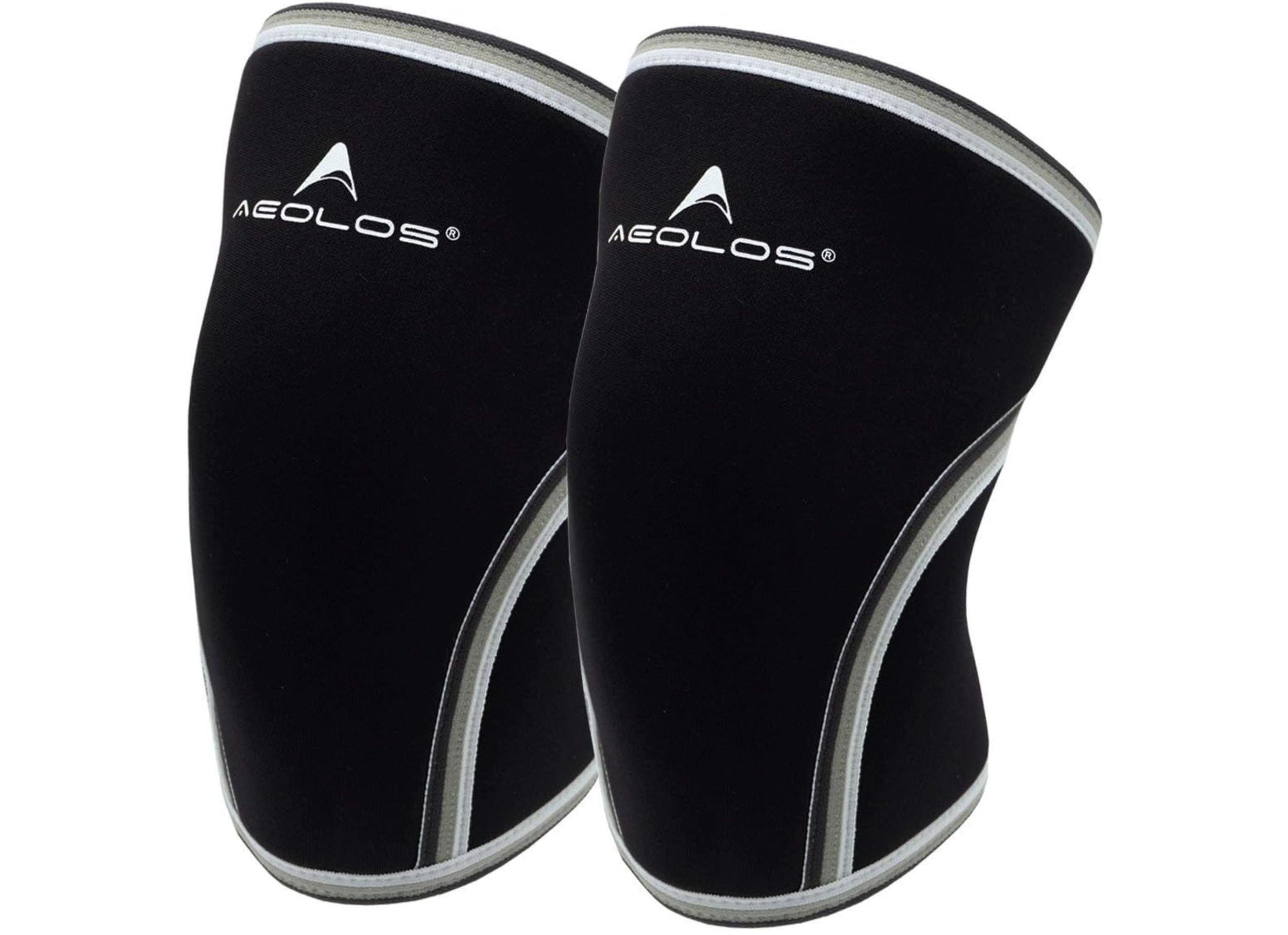
A good pair of knee sleeves such as these should have around 7mm thickness and be made of neoprene.
Best for: Leg workouts and Quads-specific exercises, where knee flexion is highest.
Final Takeaway
You do not need a giant gym bag full of random accessories, but it is good to be prepared for a solid and challenging workout.
For most strength training, the basics are enough:
Gym bag
Belt
Wrist wraps
Lifting straps
Liquid chalk
Knee sleeves
These tools can help you train with better consistency, better grip, better support, and fewer distractions. But they should support the plan, not become the plan.
If you are training on your own, use gear that helps you execute better.
If you are not sure what you need, start simple.
If you want a plan to go with the gear, Type 3 Strength offers personal training at Redline Barbell and online training through our T3 Strength Club.
Train with structure. Use tools with purpose. Get stronger without overcomplicating it.
— David Arcemant, MS, CSCS, CPSS
Need a plan to go with your gear? Start with the T3 Strength Club for guided workouts, training resources, and access to our training systems.